The automotive industry is changing rapidly as electric vehicles (EVs) become an increasingly important part of modern transportation. From fully electric cars and charging infrastructure to advanced battery systems, regenerative braking, connected technology, and new maintenance requirements, the transition from traditional internal-combustion vehicles to electric mobility is creating a completely different automotive landscape.
For car owners, understanding this change can make it easier to choose the right vehicle, plan for charging, understand maintenance requirements, and make informed decisions about repairs and upgrades. Electric vehicles operate differently from conventional gasoline and diesel vehicles, but they still require proper inspection, maintenance, and professional care.
What Is Driving the Shift Toward Electric Vehicles?
Electric vehicles are powered primarily by electricity stored in a rechargeable battery rather than relying on an internal-combustion engine fueled by gasoline or diesel.
The growth of EVs is being influenced by advances in battery technology, expanding charging infrastructure, consumer interest in lower operating costs, government policies, and continued development by automotive manufacturers.
Modern EVs are no longer limited to small city cars. The market now includes electric sedans, SUVs, performance vehicles, luxury models, pickup trucks, and commercial vehicles.
For consumers, this means there are increasingly more choices when considering a transition to electric mobility.
Understanding the Main Components of an EV
An electric vehicle contains several important systems that work together to deliver power and control the vehicle.
The battery pack stores electrical energy, while the electric motor converts that energy into mechanical power. Other important components include the inverter, onboard charger, charging port, thermal-management system, high-voltage wiring, control modules, and regenerative-braking system.
Understanding these components is useful because EV maintenance and diagnostics can differ significantly from conventional vehicle servicing.
The Importance of EV Battery Technology
The battery is one of the most important components of an electric vehicle. It determines much of the vehicle’s driving range, charging capability, performance, and overall operating characteristics.
Battery technology continues to develop, with manufacturers working on improvements in energy density, charging speed, durability, thermal management, and manufacturing efficiency.
Battery condition can also be affected by factors such as temperature, charging habits, vehicle usage, and the battery-management system.
For EV owners, understanding battery care is therefore an important part of long-term vehicle ownership.
Charging an Electric Vehicle
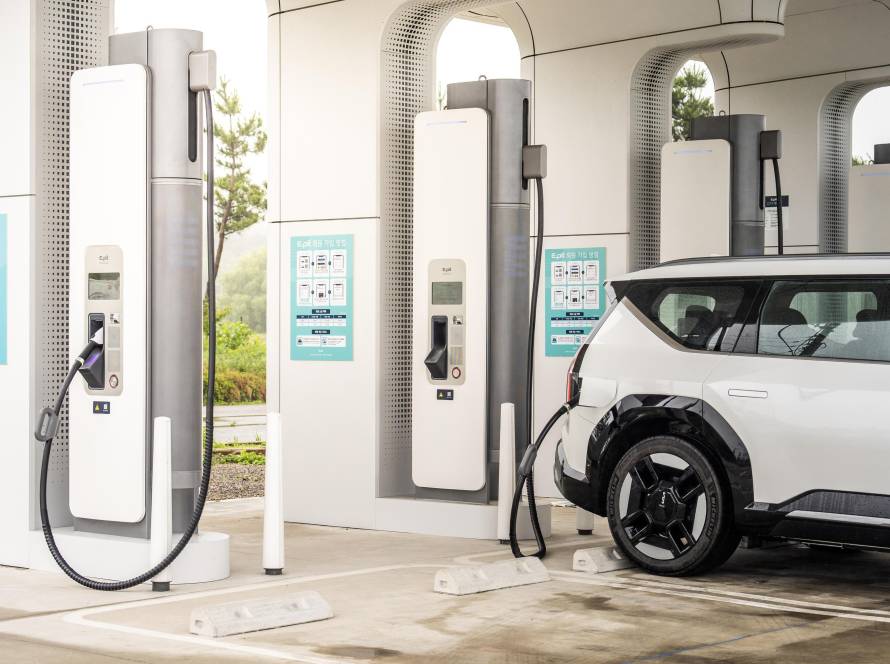
Charging is one of the biggest differences between owning an EV and owning a conventional gasoline-powered vehicle.
Electric vehicles can generally be charged using different types of charging equipment, from slower home charging to faster public charging systems. Charging speed depends on the vehicle, charger, battery condition, temperature, and available electrical capacity.
Home charging can be convenient for owners who have suitable parking and electrical infrastructure, while public charging networks can provide additional flexibility for longer journeys.
Before purchasing an EV, it’s worth considering where you will normally charge it and how that fits into your daily driving routine.


Understanding EV Driving Range
Driving range refers to how far an electric vehicle can travel before requiring another charge. The actual range achieved in everyday driving can vary depending on several conditions.
Factors such as driving speed, acceleration, weather, temperature, terrain, vehicle load, tire pressure, and use of heating or air conditioning can influence energy consumption.
This means the advertised range should be viewed as a useful reference rather than a guaranteed distance under every driving condition.
Planning charging stops and understanding your vehicle’s typical energy consumption can make longer EV journeys much easier.
Regenerative Braking Explained
Regenerative braking is another major difference between many electric vehicles and conventional cars.
When the driver slows down, the electric motor can operate in a way that converts some of the vehicle’s kinetic energy back into electrical energy, which is then returned to the battery.
Regenerative braking can improve energy efficiency and reduce the amount of work required from conventional friction brakes. However, the exact behavior varies between vehicles, and drivers may need some time to become comfortable with different levels of regenerative braking.
The future of mobility isn’t simply about replacing the engine. It’s about creating smarter, more efficient, and increasingly connected ways to move.
Sui Nagamoto
EV Maintenance Is Different—But Still Important
Electric vehicles generally have fewer moving components in their primary propulsion system than conventional internal-combustion vehicles. However, that doesn’t mean they are maintenance-free.
EVs still require attention to tires, brakes, suspension, steering, cooling systems, cabin filters, windshield systems, lights, software, and other vehicle components.
The high-voltage battery and electrical systems also require specialized knowledge and safety procedures when inspection or repair is necessary.
Following the manufacturer’s recommended maintenance schedule remains one of the best ways to maintain an EV.
EV Brakes Still Need Inspection
Regenerative braking can reduce reliance on conventional friction brakes, but the physical brake components remain important safety systems.
Brake pads, rotors, calipers, brake fluid, and other components should still be inspected according to the vehicle manufacturer’s recommendations.
Because some EVs may use friction brakes less frequently, owners shouldn’t assume that brake components never require attention. Regular inspections can identify corrosion, wear, or other issues before they become significant problems.

Electric Vehicles and the Future of Automotive Repair
As electric vehicles become more common, automotive workshops are also evolving. Technicians increasingly need knowledge of electrical systems, battery diagnostics, software, sensors, charging systems, and high-voltage safety.
Traditional mechanical skills remain valuable because EVs still use suspension, steering, brakes, tires, cooling systems, and other familiar automotive components.
The modern automotive technician is therefore becoming a combination of mechanical specialist, electrical diagnostician, and technology professional.
Professional Automotive Support at HyVicMotors
At HyVicMotors, we recognize that modern vehicle ownership is changing. Whether you’re driving a conventional vehicle, hybrid, or electric vehicle, proper maintenance and professional diagnostics remain essential.
Our automotive services can support vehicle owners with routine maintenance, tire services, brake inspections, suspension checks, diagnostics, battery-related assessments, exterior detailing, interior care, and general vehicle maintenance.
For advanced EV or high-voltage repairs, the appropriate specialist equipment and qualified technicians should always be used.
Preparing for the Electric Automotive Future
The transition toward electric mobility presents exciting opportunities for drivers, automotive businesses, technicians, and manufacturers. As battery technology, charging networks, vehicle software, and electric powertrains continue to develop, the automotive industry will continue to evolve.
For vehicle owners, the best approach is to stay informed. Understand how your vehicle works, follow its maintenance schedule, monitor battery and tire condition, use appropriate charging practices, and seek professional assistance when warning signs appear.
The electric automotive industry is transforming the way vehicles are powered, maintained, serviced, and experienced. EVs offer a different ownership experience, but they still require responsible maintenance and professional care.
Understanding battery technology, charging, driving range, regenerative braking, thermal management, tires, brakes, software, and high-voltage safety can help current and future EV owners make better decisions.
At HyVicMotors, we believe staying ahead of automotive technology is essential. Whether you’re maintaining your current vehicle or preparing to make the move to electric mobility, informed decisions and proper vehicle care can help you get the most from your automotive investment.