The automotive industry is changing rapidly, and one of the biggest conversations among drivers today is the choice between electric vehicles (EVs) and gasoline-powered cars. Both offer distinct advantages, and the right choice depends on factors such as driving habits, budget, maintenance needs, performance, and access to charging or fuel.
For some drivers, an electric vehicle offers quiet performance, lower routine maintenance, and a modern driving experience. For others, gasoline vehicles remain attractive because of their familiar technology, quick refueling, wider fueling infrastructure, and flexibility for long-distance travel. At HYvicMotors, we believe understanding these differences is essential before choosing your next vehicle.
Electric Vehicles: Efficient, Quiet and Technology-Driven
Electric vehicles use rechargeable batteries and electric motors rather than traditional internal-combustion engines. One of their biggest attractions is the smooth and quiet driving experience. Electric motors deliver immediate torque, allowing many EVs to accelerate quickly while producing very little noise.


EVs also have fewer conventional mechanical components than gasoline vehicles. There is no traditional engine oil to replace, and several routine engine-related maintenance requirements are eliminated. However, EV ownership still involves important maintenance such as tires, brakes, suspension components, battery systems, and other vehicle electronics.
Another major consideration is charging. Drivers who have convenient access to home, workplace, or public charging can find EV ownership particularly convenient. However, charging infrastructure and charging times should be considered carefully, especially for frequent long-distance travel.
The best car isn’t necessarily the newest or most expensive—it is the one that fits your lifestyle, budget, and driving needs.
Micheal Fowler
Pellentesque luctus dolor id ante sollicitudin, eu feugiat lorem posuere. Aenean a sem urna. Quisque eget nisi eget tortor varius accumsan eu id augue. Etiam ullamcorper quis leo ut consequat. Quisque auctor posuere eros, ut luctus.
Gasoline Cars: Familiar, Flexible and Convenient
Gasoline-powered vehicles continue to be a practical choice for millions of drivers. Their technology is well established, and fuel stations are widely available, making refueling convenient for both everyday driving and long journeys.
Gasoline vehicles also offer a broad range of choices, from compact cars and family SUVs to sports cars and powerful performance vehicles. For drivers who regularly travel long distances or live in areas where charging infrastructure is limited, a gasoline vehicle may provide greater convenience.
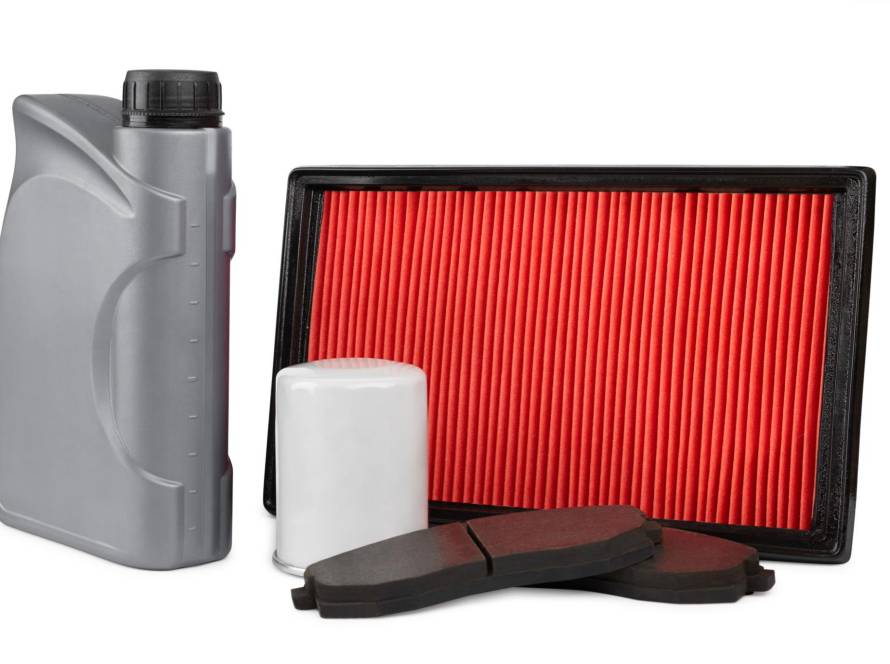
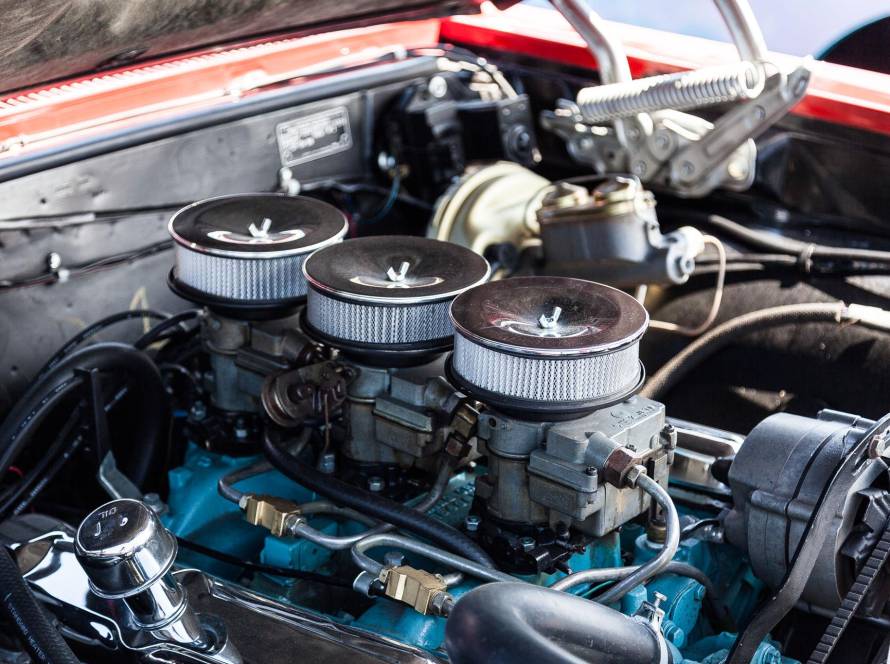
However, gasoline engines contain many moving components and require regular maintenance. Oil changes, filters, spark plugs, cooling systems, belts, and other components need periodic inspection or replacement to keep the vehicle operating efficiently.

So, Which Should You Choose?
There isn’t one answer that works for every driver. An electric vehicle may be ideal if you value quiet performance, modern technology, and convenient access to charging. A gasoline vehicle may be better suited to drivers who prioritize quick refueling, extensive fuel availability, and traditional driving characteristics.
The most important thing is to choose a vehicle that matches your lifestyle, budget, driving habits, and long-term expectations.
At HYvicMotors, we can help you explore different vehicle options, understand their features, compare their strengths, and find a car that fits your needs. Whether you’re interested in an electric vehicle, gasoline car, SUV, luxury model, or everyday family vehicle, making an informed decision starts with understanding what works best for you.
Final Thoughts
The electric-versus-gasoline debate is likely to continue as automotive technology evolves. Electric vehicles are becoming increasingly capable, while gasoline vehicles continue to improve in efficiency, performance, and reliability.
Rather than choosing based purely on trends, consider how and where you actually drive. Think about your daily mileage, access to charging or fuel stations, maintenance expectations, budget, performance preferences, and long-term ownership plans.
Whichever powertrain you choose, quality, proper maintenance, and the right vehicle for your lifestyle will always matter.