Your car’s exterior is constantly exposed to the elements. Sunlight, rain, dust, mud, road grime, bird droppings, tree sap, brake dust, and other contaminants can gradually affect the paintwork and trim. Regular exterior maintenance isn’t just about keeping your vehicle looking clean—it can also help preserve the finish and protect your investment.
With the right products and techniques, you can maintain a glossy, well-protected exterior without needing to perform a full professional detail every week. The key is consistency, proper washing techniques, and knowing how to treat different surfaces correctly.
Start With Regular Exterior Washing
Regular washing is the foundation of good exterior maintenance. Dirt and road contamination can accumulate on the paint, and leaving certain contaminants on the surface for extended periods can make them more difficult to remove.
Use a quality automotive shampoo rather than household cleaning products. Automotive shampoos are formulated for vehicle surfaces and can provide the lubrication needed to safely loosen dirt.
Work from the top of the vehicle downward, allowing the dirtiest lower panels to be cleaned last. This reduces the likelihood of moving heavier contamination across cleaner areas.
Use the Correct Washing Technique
One of the easiest ways to damage automotive paint is through poor washing technique. Aggressive scrubbing, dirty towels, unsuitable brushes, and insufficient lubrication can contribute to swirl marks and surface marring.
Use a clean wash mitt and rinse it regularly during the process. A two-bucket washing method can help separate contaminated rinse water from your shampoo solution.
Avoid dragging a visibly dirty mitt across the paint. The goal is to lift and remove contamination, not grind it into the clear coat.
Keep Your Vehicle Out of Harsh Direct Sunlight
Whenever possible, wash and maintain your vehicle in a shaded location. Hot paint can cause water and cleaning products to dry quickly, leaving mineral spots, streaks, or residue.
A cool, shaded environment gives you more time to work with each product and makes it easier to inspect the surface as you go.
If you must wash the vehicle outdoors, work in smaller sections and avoid allowing shampoo or other products to dry on the surface.
Dry the Exterior Properly
Drying is just as important as washing. Allowing water to evaporate naturally can leave mineral deposits behind, particularly in areas with hard water.
Use a clean, high-quality microfiber drying towel or another suitable automotive drying method. Avoid using old household towels that may be rough or contaminated.
Work gently and don’t apply unnecessary pressure. A good drying towel should absorb water efficiently without requiring aggressive wiping.
Clean Your Wheels and Tires Separately
Wheels and tires collect some of the heaviest contamination on your vehicle. Brake dust, road grime, mud, oils, and other debris can build up quickly.
Use dedicated wheel and tire cleaning products and separate brushes from those used on the painted bodywork. This helps prevent abrasive contamination from being transferred onto the paint.
Once the wheels are clean, inspect them for embedded brake dust, stains, or damage. Keeping wheels maintained can dramatically improve the overall appearance of the vehicle.


Don’t Forget the Tires
Clean tires can make a freshly washed vehicle look significantly better. After removing dirt and grime, apply an appropriate tire dressing if desired.
Avoid excessive dressing that leaves the tires extremely greasy or creates sling onto the painted panels while driving.
A clean, controlled finish generally looks more professional than an overly glossy appearance.
A well-maintained exterior doesn’t happen through one big detailing session. It comes from small, consistent habits that protect the vehicle every time you wash it.
Nolan Muller
Remove Bird Droppings and Tree Sap Quickly
Bird droppings and tree sap should not be ignored. Certain contaminants can become increasingly difficult to remove when exposed to heat and sunlight.
Rather than aggressively scrubbing dried contamination, soften it using an appropriate automotive-safe product and gently remove it.
The sooner these contaminants are dealt with, the easier it is to maintain a clean surface without unnecessary agitation.
Protect the Paint With Wax or Sealant
Cleaning removes contamination, but protection helps preserve the finish afterward. Depending on your preferences, you can use automotive wax, a paint sealant, or another suitable paint-protection product.
These products can enhance gloss, improve water behavior, and provide an additional layer between the paint and environmental contaminants.
Follow the manufacturer’s application instructions carefully and make sure the surface is clean before applying protection.
Consider Paint Decontamination
Even after washing, some contaminants may remain bonded to the paint. These can include road film, industrial fallout, tar, and other particles that normal washing may not completely remove.
Periodic paint decontamination can help restore a smoother surface. Depending on the contamination, this may involve chemical decontamination or a clay-based treatment.
Decontamination should be performed carefully because improper technique can create light marring that may require polishing afterward.
Don’t Use Household Cleaning Products
Household soaps and chemicals aren’t necessarily designed for automotive paint, wheels, plastics, or rubber. Some can be too aggressive, remove protective layers, or leave unwanted residue.
Use products specifically formulated for automotive applications and follow their dilution and application instructions.
Using the right product is often safer and more effective than trying to improvise with household cleaners.
Build a Simple Exterior Maintenance Schedule
You don’t need to perform a full detail every time you clean your car. A simple maintenance schedule can keep the exterior looking fresh.
Weekly or regular maintenance:
Wash the exterior, clean the wheels and tires, remove obvious contamination, and clean the glass.
Monthly maintenance:
Inspect the paint, trim, wheels, and protective finish. Address water spots, tar, and other bonded contaminants when necessary.
Periodic deep detailing:
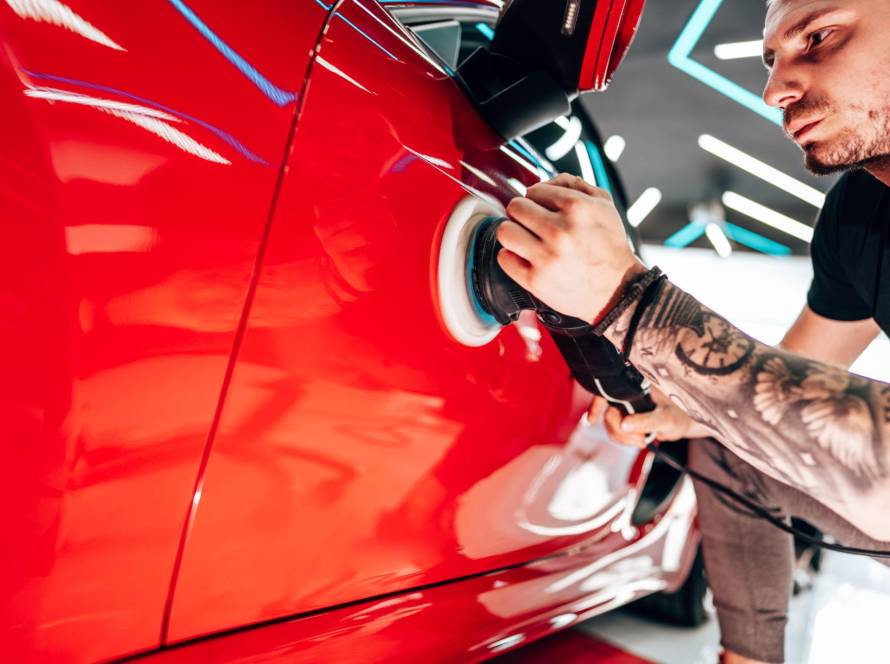
Perform paint decontamination, polishing, waxing, sealing, or other corrective treatments according to the vehicle’s condition.
The ideal frequency depends on driving conditions, weather, storage, and how frequently the vehicle is used.

Know When Professional Detailing Is Needed
Routine maintenance can keep your vehicle looking good, but some exterior problems require professional equipment and experience.
Deep scratches, heavy oxidation, paint correction, stubborn water spots, ceramic coating, headlight restoration, and extensive contamination are examples of jobs that may benefit from professional detailing.
Trying to correct serious paint defects without the right equipment or knowledge can make the problem worse.
Professional Exterior Care at HyVicMotors
At HyVicMotors, we provide professional vehicle-care solutions designed to keep your car looking clean, glossy, and well maintained.
Our exterior detailing services can include car washing, tire cleaning, rim cleaning, paint polishing, paint correction, waxing, ceramic coating, headlight care, exterior trim maintenance, glass cleaning, and comprehensive detailing.
Whether your vehicle needs routine maintenance or a complete exterior transformation, our team can assess its condition and recommend the appropriate treatment.
Maintaining your car’s exterior like a professional doesn’t require complicated equipment. The most important things are consistency, proper washing techniques, quality automotive products, clean detailing tools, and timely protection.
Wash regularly, clean contamination quickly, protect the paint, maintain your wheels and tires, inspect the finish, and avoid harsh or unsuitable cleaning methods.
With the right routine, you can preserve your vehicle’s appearance and make professional detailing easier when the time comes for a deeper treatment.
At HyVicMotors, our goal is to help you keep your vehicle looking its best while protecting the exterior finish for the long term.