Keeping a vehicle looking glossy and well-maintained goes beyond regular washing. Everyday exposure to sunlight, rain, dust, road grime, bird droppings, tree sap, and chemical contaminants can gradually affect the appearance of automotive paint. Ceramic coating has become a popular option for vehicle owners looking for longer-lasting paint protection and a finish that is easier to maintain.
A ceramic coating is a liquid protective product, commonly based around silicon dioxide (SiO₂), that forms a durable bond with the vehicle’s paint surface. Once properly applied and cured, it creates a protective layer that can provide hydrophobic behavior, chemical resistance, enhanced gloss, and easier maintenance. Unlike traditional waxes that generally need frequent reapplication, professional ceramic coatings can provide protection for years depending on the product, application, conditions, and maintenance routine.
What Exactly Is Ceramic Coating?
ECeramic coating is a liquid protective treatment applied to automotive surfaces, particularly painted exterior panels. When properly prepared and applied, the coating bonds with the surface to create a durable protective layer.
One of its most noticeable characteristics is its hydrophobic behavior. Water tends to bead and move across the treated surface more readily, while dirt and some contaminants can become easier to remove during routine washing. Ceramic coatings can also provide resistance against environmental and chemical contamination while enhancing the gloss and depth of the paint.
However, ceramic coating should not be confused with an invisible force field for your vehicle. It does not make paint completely scratch-proof, and it is not designed to stop rock chips or serious impact damage. Paint protection film remains a more appropriate solution when impact protection is the primary goal.
Why Car Owners Choose Ceramic Coating
One of the main reasons people choose ceramic coating is its ability to combine protection, appearance, and easier maintenance in one treatment.
The coating can provide resistance against contaminants such as bird droppings, tree sap, road grime, and certain chemical contaminants while helping preserve the appearance of the underlying paint. Its hydrophobic characteristics can also make washing and drying more convenient because water and loose contaminants are less likely to remain strongly attached to the surface.
For owners who want their vehicle to maintain a glossy, freshly detailed appearance without repeatedly applying traditional wax, a quality ceramic coating can be an attractive long-term option.
Ceramic Coating & Paint Gloss
A major attraction of ceramic coating is the visual transformation it can provide. A properly prepared and coated vehicle can develop a deep, glossy, slick-looking finish that makes the paint appear cleaner and more refined.
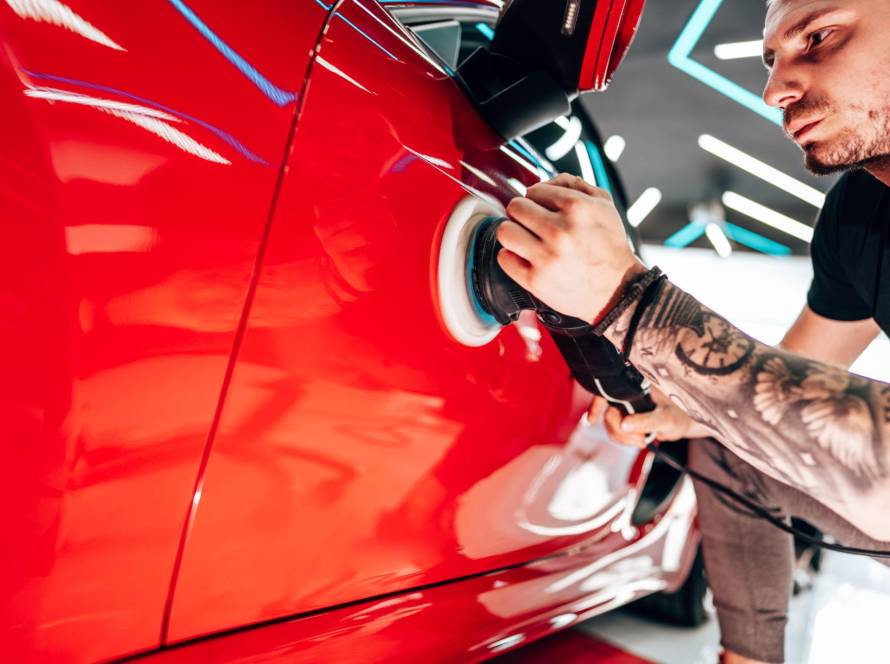
However, the final appearance depends heavily on the condition of the paint before coating. Applying ceramic coating over heavily contaminated, oxidized, or heavily swirled paint does not magically remove those problems. Professional preparation and, when necessary, paint correction should be considered before the coating is installed.


Hydrophobic Protection Against Water & Dirt
One of the easiest ceramic-coating benefits to notice is water behavior. Instead of spreading across the paint in a continuous sheet, water can form droplets and roll away from the treated surface.
This hydrophobic effect can make routine washing and drying easier. Dirt and loose contaminants may also have less opportunity to bond strongly to the surface, helping the vehicle remain cleaner between washes.
It’s important to remember, however, that hydrophobic behavior does not mean the vehicle never needs washing. Regular maintenance remains essential for preserving the coating’s performance.
Protection From Environmental Contamination
Your vehicle encounters contaminants every day. Bird droppings, tree sap, road grime, industrial fallout, pollution, and certain chemical substances can affect unprotected paint when left on the surface.
A properly applied ceramic coating creates an additional protective barrier that can improve resistance to many of these environmental and chemical challenges. This is particularly useful for vehicles that spend significant time outdoors or are frequently exposed to demanding driving conditions.
Ceramic coating isn’t simply about making a car shine; it’s about combining a beautiful finish with a smarter approach to long-term paint protection and maintenance.
Jennifer Lee
Understanding Ceramic Coating Durability
Not every ceramic coating lasts the same amount of time. Product formulation, preparation quality, application conditions, climate, vehicle usage, washing practices, and maintenance all influence longevity.
Some consumer-oriented coatings may offer protection for several years, while certain professional-grade products are designed for substantially longer durability. Manufacturers’ claims should always be considered alongside the required maintenance and application conditions.
This is why choosing a coating based solely on the number of years advertised isn’t enough. The quality of the application and maintenance routine are equally important.
Ceramic Coating Is Not Scratch-Proof
One of the biggest misconceptions about ceramic coating is that it makes a vehicle completely resistant to scratches. It doesn’t.
A ceramic coating can provide resistance against certain minor surface effects and environmental contamination, but it cannot guarantee protection against deep scratches, stone chips, accidents, or physical impacts.
If your primary concern is protecting the paint from rock chips and physical impact, paint protection film may be a better option. Ceramic coating can also be used as part of a broader vehicle-protection strategy where appropriate.
Ceramic Coating Requires Maintenance
Even after ceramic coating has been professionally installed, regular washing remains important. A coated vehicle should still be cleaned using appropriate products and techniques to prevent dirt, mineral deposits, and contaminants from accumulating.
Manufacturers commonly recommend regular washing with suitable, pH-balanced products and quality microfiber accessories. Maintenance products designed to support hydrophobic performance can also be used when appropriate.
Good maintenance doesn’t just keep the car looking clean—it helps preserve the coating’s performance over time.
Ceramic Coating for Wheels, Trim & Glass
Ceramic protection isn’t limited to painted body panels. Specialized coatings can also be designed for wheels, exterior trim, and glass.
Wheel coatings can make brake dust and road contamination easier to remove, while glass coatings can provide water-repellent properties. Trim-specific products can help protect and improve the appearance of suitable plastic surfaces. However, products should always be selected according to the specific surface rather than applying one coating indiscriminately to every material.

Choosing the Right Ceramic Coating
There isn’t one ceramic coating that is automatically perfect for every vehicle. The right choice depends on the vehicle’s paint condition, usage, storage environment, budget, desired durability, and maintenance habits.
A vehicle parked outdoors in strong sunlight may benefit from a coating with strong UV and chemical resistance, while an enthusiast vehicle may place greater emphasis on gloss, slickness, and hydrophobic performance. Professional advice can help determine which coating and preparation process are appropriate.
Why Professional Application Makes a Difference
Ceramic coating application requires precision. Temperature, humidity, surface preparation, application technique, curing time, and residue removal can all affect the finished result. Some professional products also have specific application requirements and are intended for trained installers.
Applying the coating in a controlled environment can help reduce contamination during installation and allow the product to cure correctly. After application, the vehicle may also need to remain dry and protected for a specified period while the coating cures.
Professional Ceramic Coating at HyVicMotors
At HyVicMotors, we understand that a quality ceramic coating starts long before the coating bottle is opened. Our approach focuses on proper vehicle inspection, thorough cleaning, surface preparation, paint refinement where required, careful coating application, and appropriate aftercare guidance.
Whether you want to protect a daily driver, preserve a luxury vehicle, enhance the appearance of a recently purchased car, or give your vehicle a deeper and more refined finish, our detailing team can help determine the right protection approach for your vehicle.
Ceramic coating can be an excellent investment for car owners who want long-lasting paint protection, enhanced gloss, easier maintenance, hydrophobic performance, and greater resistance to environmental contamination. However, the coating should be viewed as part of a complete vehicle-care routine rather than a replacement for washing and maintenance.
The best results come from proper preparation, quality products, professional application where appropriate, and consistent aftercare. Ceramic coating also has limitations—it doesn’t make paint completely scratch-proof or eliminate the need for responsible vehicle care.
At HyVicMotors, our goal is to help vehicle owners protect their investment while keeping their cars looking exceptionally clean, glossy, and well maintained.