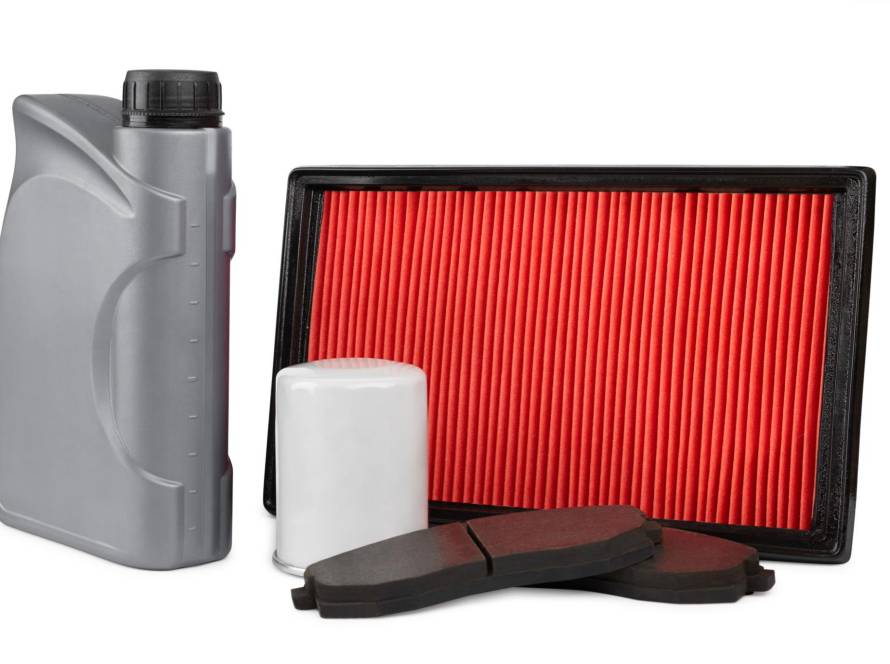
The automobile has changed dramatically over the past century, and few things demonstrate that transformation better than the parts that make up a vehicle. Early cars relied on relatively simple mechanical systems, while today’s vehicles combine traditional mechanical components with sophisticated electronics, sensors, computer-controlled systems, advanced materials, and increasingly electrified powertrains.
From basic carburetors and mechanical brakes to electronic fuel injection, ABS, adaptive lighting, advanced driver-assistance systems, and electric motors, automotive components have continuously evolved to improve performance, safety, efficiency, comfort, reliability, and driving experience.
The Early Era of Automotive Parts
Early automobiles were primarily mechanical machines. Engines, transmissions, steering systems, suspension components, and braking systems were operated using relatively straightforward mechanical principles.
Engines commonly relied on carburetors to mix fuel and air, while ignition systems used mechanical components to control spark timing. Drivers had to be much more involved with the operation and maintenance of their vehicles.
Automotive parts were generally easier to understand and repair, but they often required frequent adjustment and maintenance. Reliability, fuel efficiency, emissions control, and safety were also far less advanced than they are today.
From Carburetors to Electronic Fuel Injection
One of the most significant developments in automotive engineering was the transition from carburetors to electronic fuel injection.
Carburetors mechanically controlled the mixture of air and fuel entering an engine. Electronic fuel injection introduced electronically controlled fuel delivery, allowing the engine-management system to adjust fuel supply more precisely according to operating conditions.
This development helped manufacturers improve fuel efficiency, emissions control, starting performance, and engine response.
The Transformation of Engine Components
Classic engines were largely mechanical, with relatively limited electronic control. Modern engines contain numerous sensors and electronically controlled components working together.
Today’s engine-management systems can monitor factors such as air intake, engine temperature, oxygen levels, throttle position, and crankshaft position. The engine control unit uses this information to adjust various operating parameters.
Modern engines can therefore deliver impressive performance and efficiency from comparatively small engine capacities.


The Evolution of Car Brakes
Braking technology has also changed significantly. Early braking systems were primarily mechanical and required substantial driver effort.
Hydraulic braking systems later became widely adopted, providing more consistent braking force. Modern vehicles can also incorporate anti-lock braking systems (ABS), electronic brake-force distribution, brake assist, electronic stability control, and advanced brake-by-wire technologies.
These developments have made modern braking systems considerably more sophisticated than those found in early automobiles.
The history of the automobile can be seen in its parts—every new component reflects a step toward greater safety, efficiency, performance, and technology.
Stanley Eze
Suspension Systems: From Simple Springs to Advanced Control
Early vehicles often used basic leaf springs and relatively simple suspension arrangements designed primarily to absorb road impacts.
Modern vehicles can feature independent suspension, advanced shock absorbers, electronically controlled dampers, air suspension, adaptive suspension systems, and sophisticated stability-control technologies.
These developments allow manufacturers to balance ride comfort and handling much more effectively.
Some modern vehicles can even adjust suspension behavior according to road conditions, driving mode, vehicle speed, and driver preferences.
Tires Have Become More Advanced
Tires may appear simple compared with an engine or transmission, but tire technology has evolved substantially.
Older tires used relatively basic construction and compounds. Modern tires can incorporate sophisticated rubber compounds, reinforced structures, optimized tread patterns, low-rolling-resistance technology, and performance-oriented designs.
Modern vehicles may also use tire-pressure monitoring systems that electronically monitor tire pressure and alert the driver when pressure falls below an appropriate level.
The Evolution of Headlights
Automotive lighting has progressed from basic incandescent bulbs to increasingly advanced lighting systems.
Halogen headlights became common before being joined by HID, LED, matrix LED, adaptive lighting, and other electronically controlled systems.
Modern headlights can provide improved illumination while allowing manufacturers to create more precise lighting patterns. Some advanced systems can adjust the beam according to driving conditions and surrounding traffic.
This evolution demonstrates how a component that was once relatively simple has become an electronically controlled safety and design feature.
Mirrors and Cameras
Traditional vehicles depended heavily on physical side and rear-view mirrors. Modern vehicles increasingly supplement these systems with cameras and sensors.
Rear-view cameras, surround-view cameras, blind-spot monitoring, parking sensors, and digital displays can provide drivers with significantly more information around the vehicle.
These technologies are increasingly integrated into driver-assistance systems, helping drivers detect objects and potential hazards.

Technology Has Changed Car Diagnostics
Diagnosing a classic vehicle often involved inspecting mechanical components, listening for unusual sounds, checking fluids, and manually testing systems.
Modern vehicles still require physical inspection, but technicians can also use sophisticated diagnostic scanners to communicate with electronic control modules and retrieve fault information.
This doesn’t eliminate the need for mechanical expertise. Instead, modern technicians need a combination of mechanical knowledge, electrical understanding, diagnostic skills, and software awareness.
Classic Parts Still Have Their Place
Despite the enormous advances in automotive technology, classic vehicle components remain valuable to enthusiasts and restoration specialists.
Carburetors, mechanical gauges, traditional suspension systems, vintage wheels, chrome trim, mechanical ignition components, and classic engines continue to attract collectors and restoration enthusiasts.
Maintaining these vehicles requires a different skill set from working on modern cars, making classic-car restoration a specialized part of the automotive industry.
What the Future of Car Parts May Look Like
The next generation of automotive components is likely to become even more connected, intelligent, efficient, and software-driven.
Electric powertrains, advanced battery systems, autonomous-driving technology, artificial intelligence, connected vehicle systems, advanced sensors, lightweight materials, and over-the-air software updates are already influencing vehicle development.
As these technologies continue to mature, automotive technicians will increasingly need to understand both traditional mechanical systems and sophisticated electronic technologies.
Professional Automotive Support at HyVicMotors
At HyVicMotors, we understand that today’s vehicles combine generations of automotive technology. Whether you’re maintaining a classic vehicle, servicing a modern car, or upgrading your vehicle with aftermarket components, understanding the parts involved is essential.
Our automotive services include motor repair, scheduled maintenance, tire services, brake and rotor care, battery replacement, vehicle inspections, engine diagnostics, custom rims, headlights, detailing, performance upgrades, and general vehicle care.
Our goal is to help vehicle owners maintain reliable, safe, and well-performing vehicles while making informed decisions about repairs and upgrades.
The evolution of car parts tells the story of the automobile itself. What began as primarily mechanical transportation has developed into a sophisticated combination of mechanical engineering, electronics, software, sensors, advanced materials, and electrical power systems.
From carburetors to electronic fuel injection, mechanical brakes to ABS, traditional headlights to adaptive LEDs, and combustion engines to electric motors, every generation has introduced new ways to make vehicles safer, cleaner, more efficient, and more enjoyable to drive.
At HyVicMotors, we believe understanding these changes helps vehicle owners appreciate their cars and make smarter maintenance, repair, and upgrade decisions.